🎉 Up to 70% Off Selected ItemsShop Sale
Select Format
From $3.97
Original: $13.23
-70%DK Super Phonics A Parent's Guide to Phonics—
$13.23
$3.97The Story
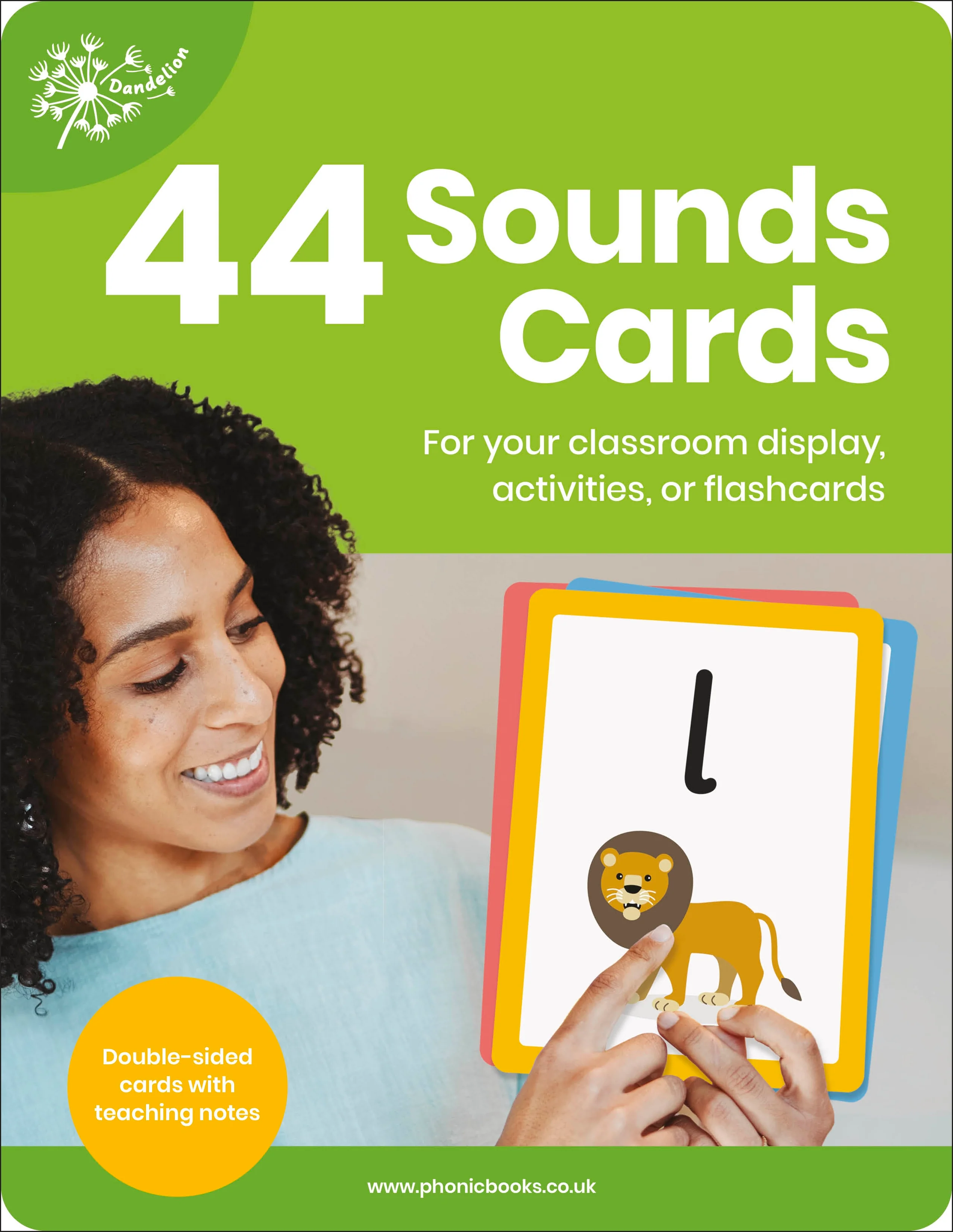
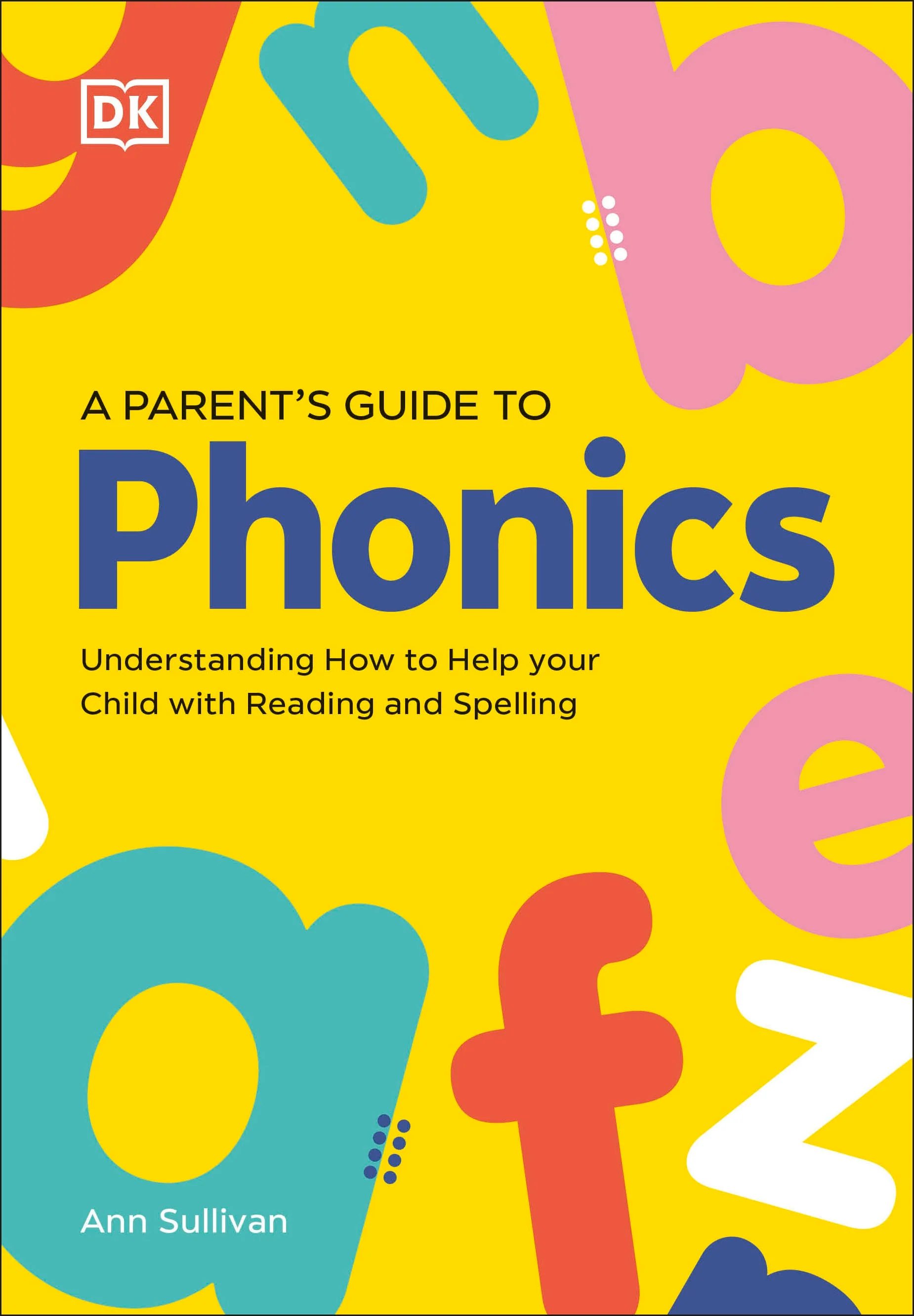
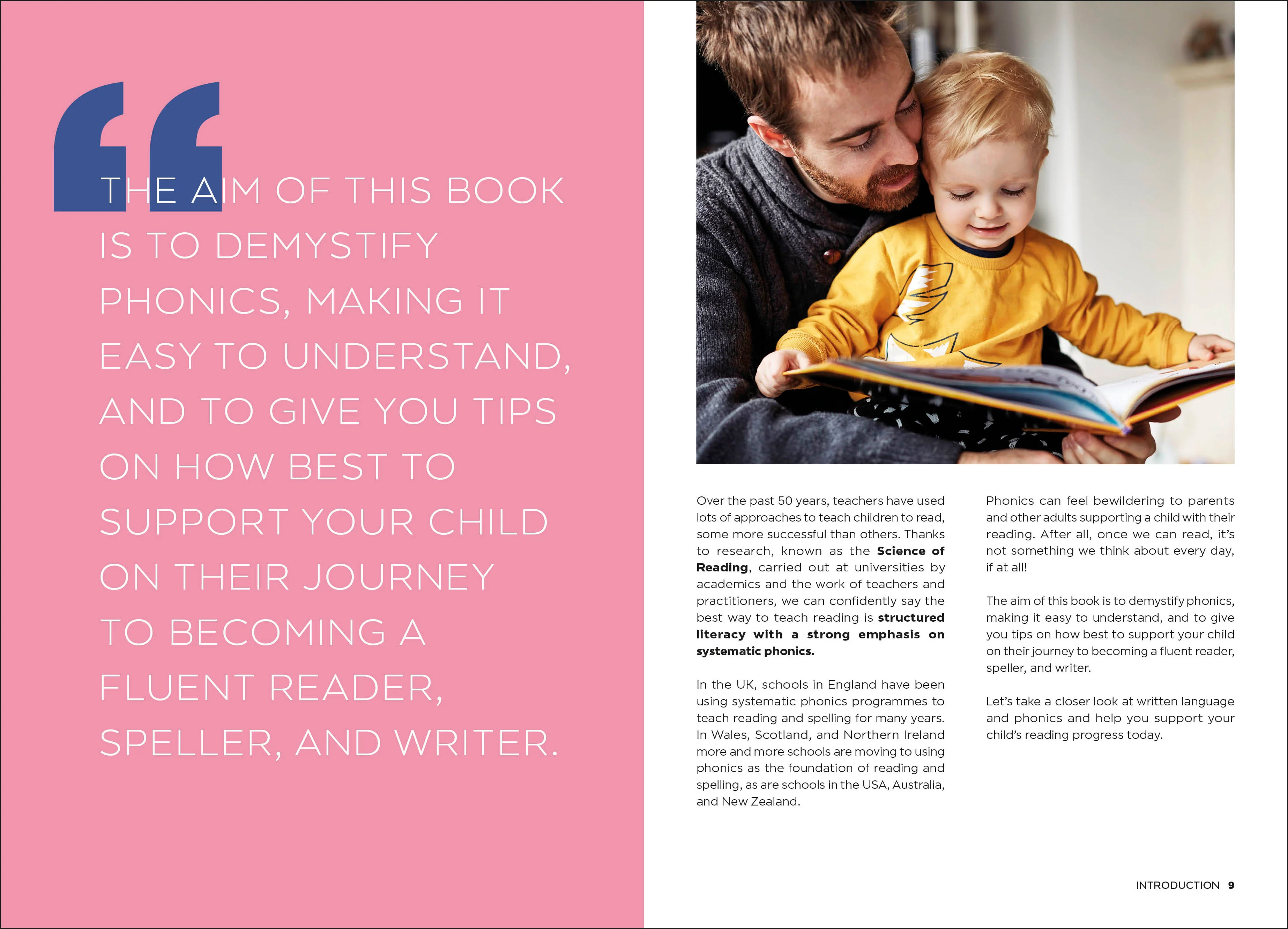
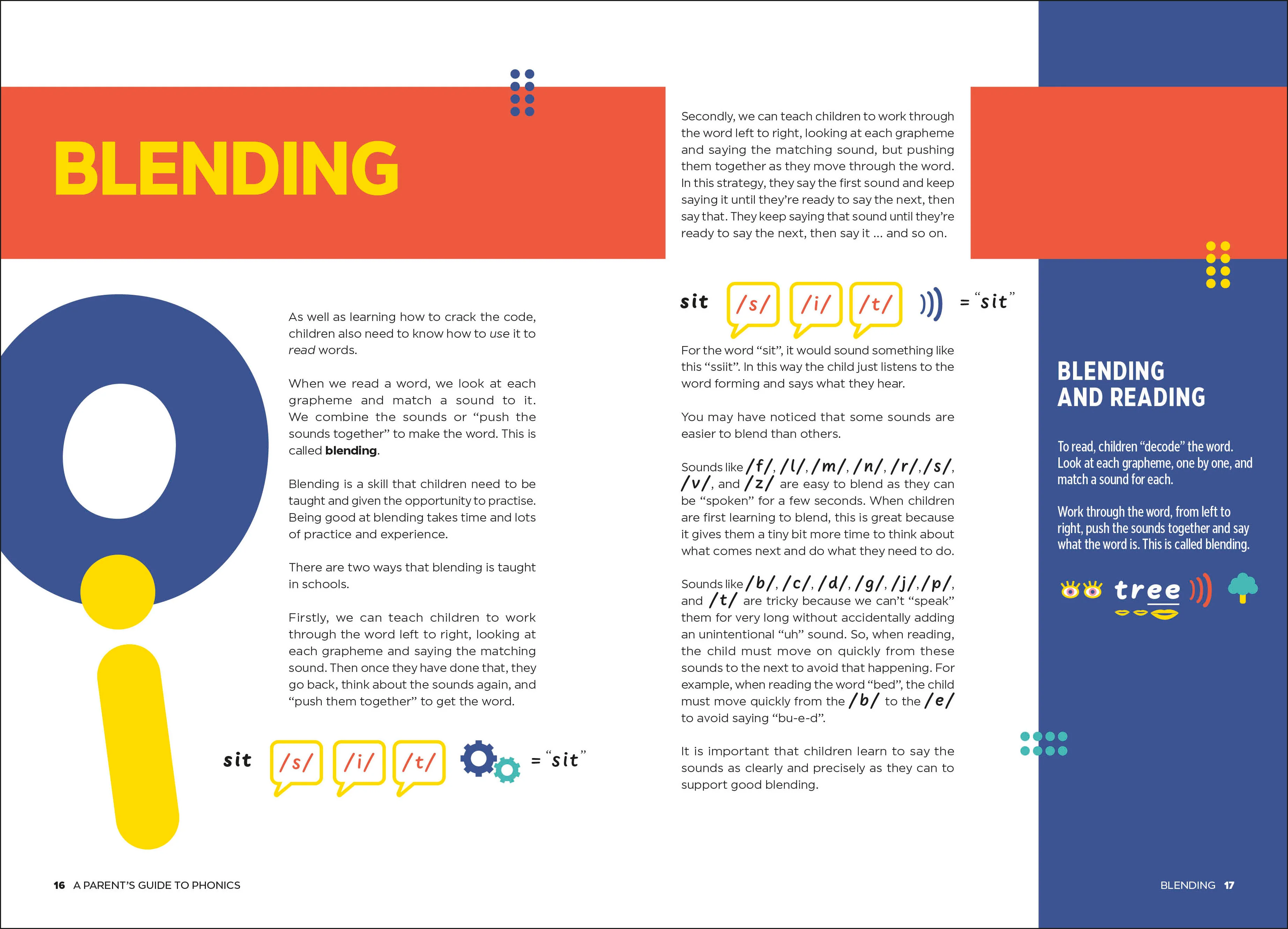
Written for parents and caregivers and those new to supporting children learning to read, A Parent’s Guide to Phonics explains how written language is put together, what phonics is and how reading and spelling are taught using a structured approach.
An understanding that phonics is the foundation of learning to read supports parents to better help their child with all reading and spelling activities.
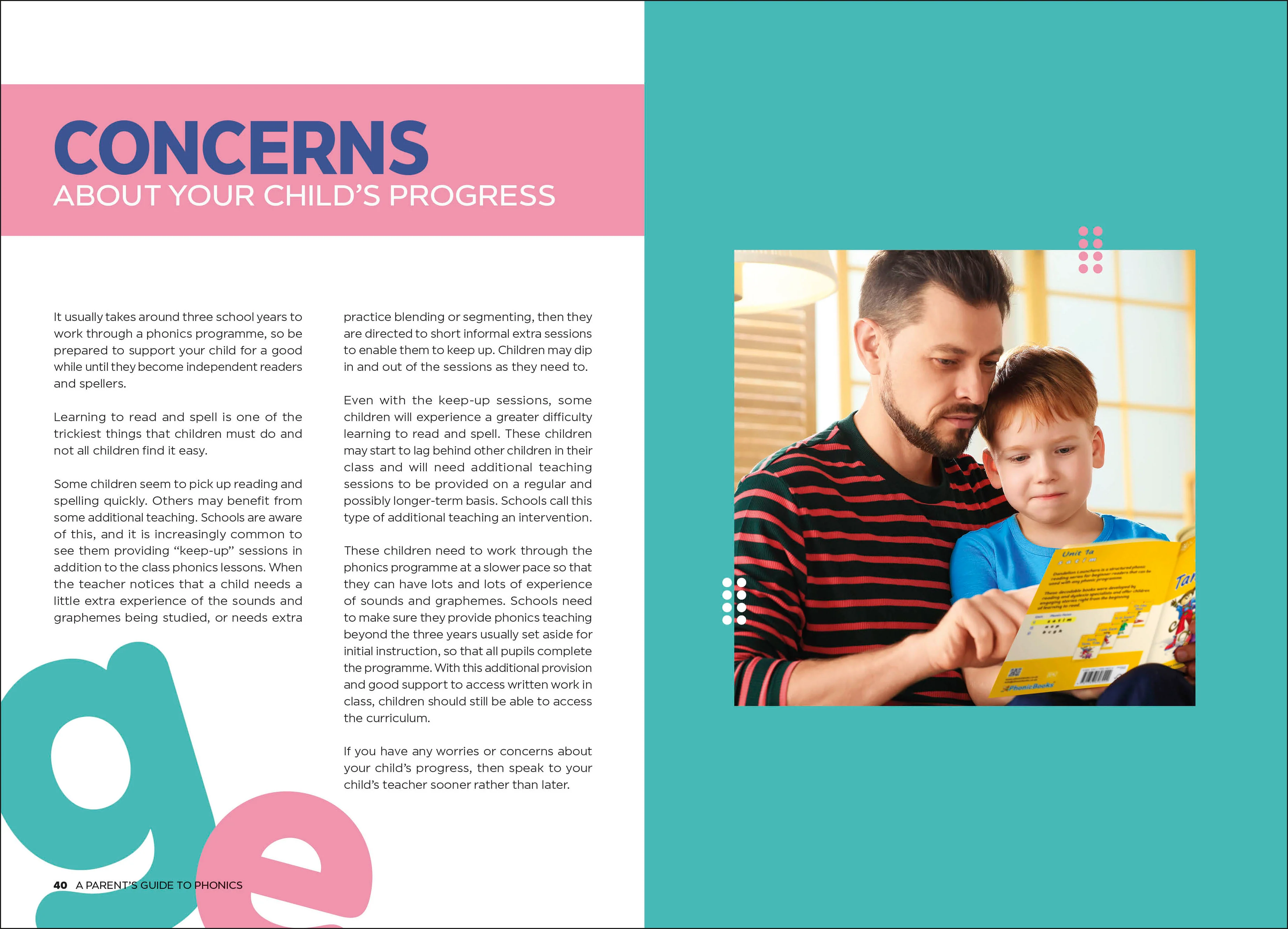
The book is written using accessible, jargon-free language that is easy to follow and understand. It also includes a section on pupils with additional educational needs and what adaptations schools might make to enable pupils with additional needs to access phonics teaching.
An understanding that phonics is the foundation of learning to read supports parents to better help their child with all reading and spelling activities.
The book is written using accessible, jargon-free language that is easy to follow and understand. It also includes a section on pupils with additional educational needs and what adaptations schools might make to enable pupils with additional needs to access phonics teaching.
Details & Craftsmanship
Every detail has been carefully considered to bring you the perfect product.
Details & Craftsmanship
Every detail has been carefully considered to bring you the perfect product.
Details & Craftsmanship
Every detail has been carefully considered to bring you the perfect product.
Description
Written for parents and caregivers and those new to supporting children learning to read, A Parent’s Guide to Phonics explains how written language is put together, what phonics is and how reading and spelling are taught using a structured approach.
An understanding that phonics is the foundation of learning to read supports parents to better help their child with all reading and spelling activities.
The book is written using accessible, jargon-free language that is easy to follow and understand. It also includes a section on pupils with additional educational needs and what adaptations schools might make to enable pupils with additional needs to access phonics teaching.
An understanding that phonics is the foundation of learning to read supports parents to better help their child with all reading and spelling activities.
The book is written using accessible, jargon-free language that is easy to follow and understand. It also includes a section on pupils with additional educational needs and what adaptations schools might make to enable pupils with additional needs to access phonics teaching.